
Cities of Full Energy Independence
We visited Lancaster, California, the world’s first energy-independent city. During this visit, we learned about the goals and social mission of Architecture 2030 and integrated the ZERO Tool into our construction systems.
Architecture 2030
Architecture 2030 is a non-profit, independent organization founded in 2002 in response to the climate change crisis.
THE 2030 CHALLENGE
Goal
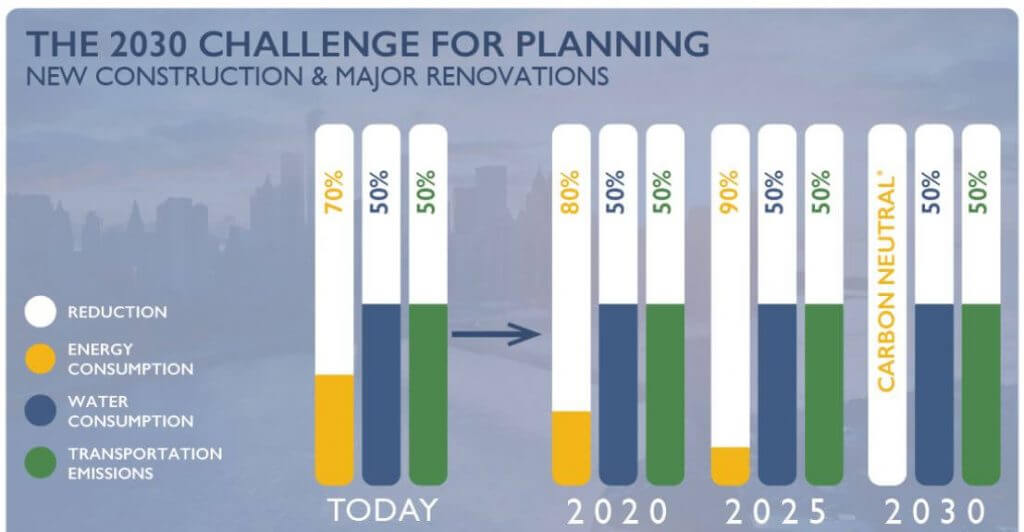
All new buildings, projects, and large-scale renovations will achieve zero carbon emissions by the year 2030.
Architecture 2030 aims to eliminate carbon emissions generated by urban construction activity. The goal is to create cities with minimal energy demands by combining advanced green heavy-duty prefabricated construction with renewable energy sources.
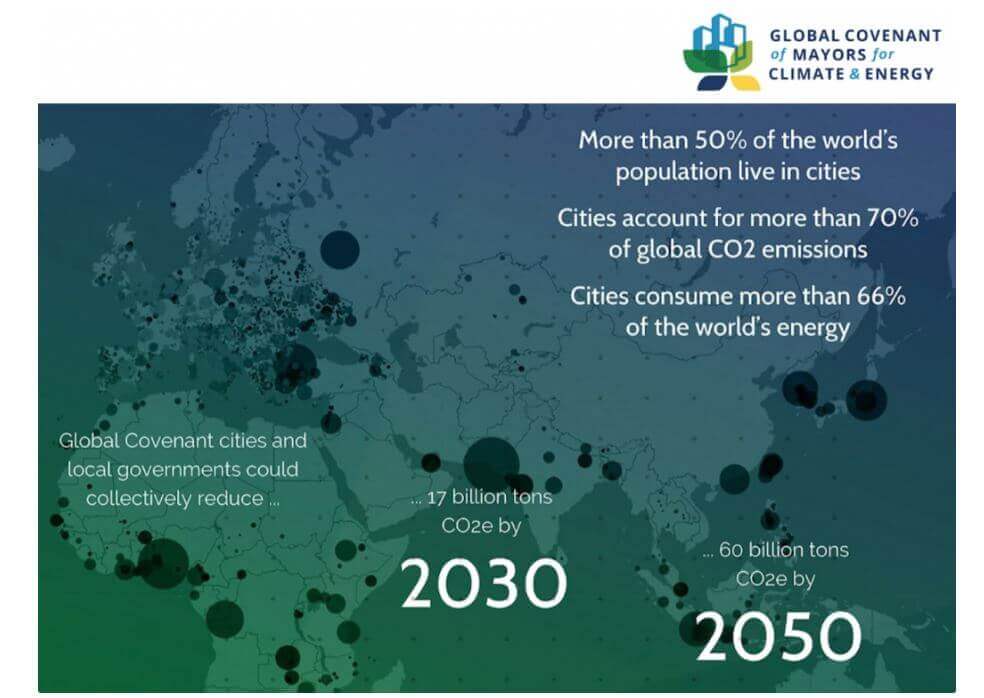
Urban construction development is responsible for 75% of annual carbon dioxide emissions. Eliminating these emissions is key to reversing environmental change and achieving the goals of the Paris Agreement.
Architecture 2030 has called on the global architectural and construction community to adopt the following targets:
All new buildings and major renovations should aim for 70% lower energy consumption compared to the regional average.
Each year, specific geographic areas should be redeveloped to achieve the required reductions in energy demand.
The reduction in fossil fuel use through new construction and major renovations is targeted as follows:
80% by 2020
90% by 2025
Complete elimination of fossil fuel use by 2030
These goals are achieved through the use of green prefabricated construction with load-bearing wooden structures, as well as the use of renewable energy sources for heating and cooling.
The global community has already adapted, with the construction of prefabricated, energy-efficient, and bioclimatic homes now accounting for 70% of total construction output.
The new design strategy that will define the 22nd century abandons conventional, polluting, and energy-intensive construction, focusing instead on modern, earthquake-resistant homes with low energy consumption.
Traditional brick construction has now been phased out as it is prone to seismic activity and has been replaced by ICF (Insulated Concrete Form) homes.
These are monolithic, earthquake-resistant residences built entirely from solid reinforced concrete, exemplifying the remarkable evolution of urban architecture over the past half-century.
See Androulakis ICF technology here
Androulakis has adopted the Architecture 2030 strategy, integrating the ZERO TOOL into the design of its construction systems.
Through the ZERO TOOL, we verify whether our construction projects meet the requirements and comply with the standards set by the global construction community, as well as the American Institute of Architects.
By inputting the project specifications into the system, we can estimate the annual energy requirements of each home and evaluate the performance of our energy systems. The results, combined with all our projects, allow us to develop semi-annual studies focused on restructuring and optimizing Androulakis’ production process.
It is the company’s practice to align its goals with the new requirements of the Paris Agreement on climate change.
The efficiency coefficients of our projects exceed current European Union standards, and our aim is now to create modern homes with a primary focus on adhering to the evolutionary path of 21st-century contemporary architecture.