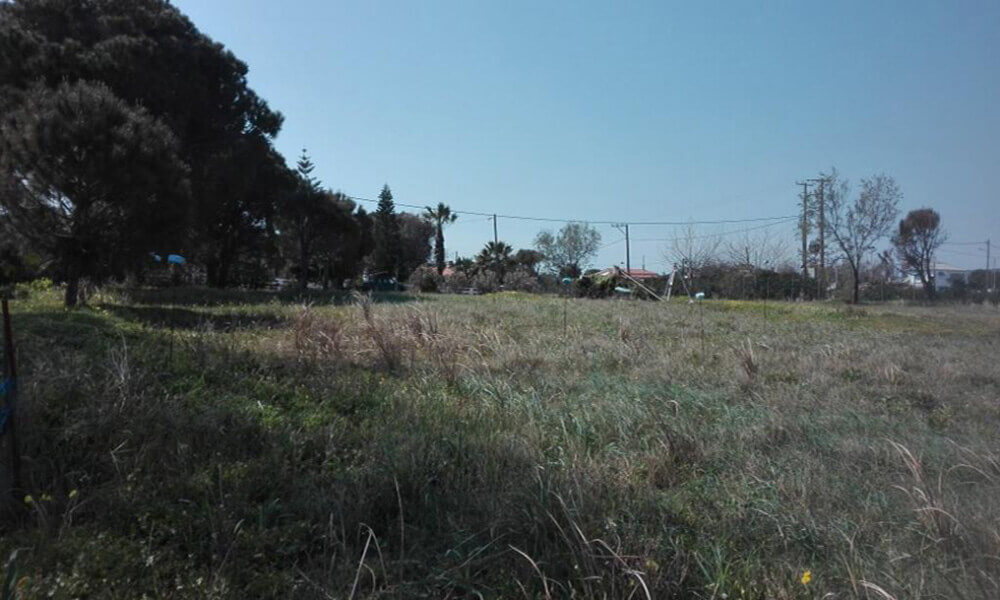
Points to pay particular attention to when buying/selecting a building plot/agricultural land:
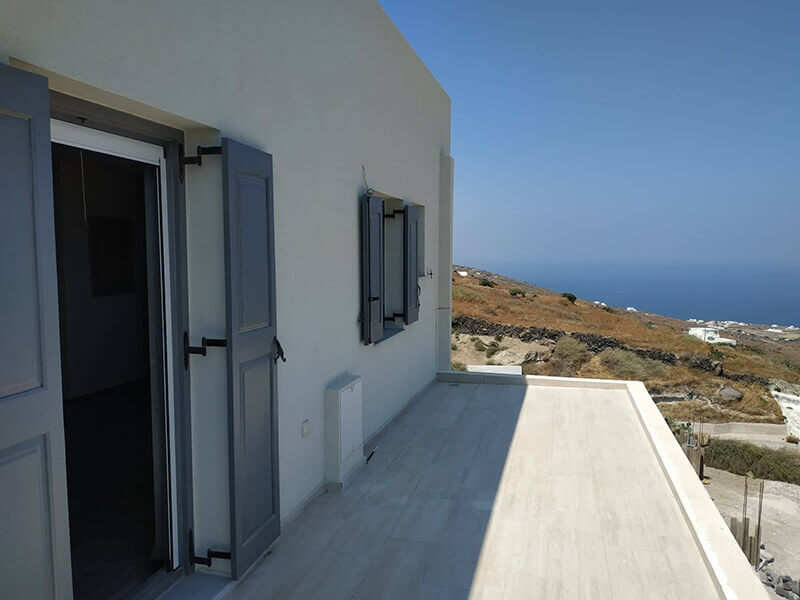
1) We place particular importance on whether the plot is compliant and buildable.
2) We are aware of and check the building coefficients, coverage ratio, height, etc.
3) We obtain/are aware of the permitted land use of the plot (residential, commercial, etc.)
4) We check whether power lines pass through the plot.
5) We check whether the area has been classified as forest land.
6) We check whether the groundwater table of the plot is at a shallow depth.
7) Verification that high-voltage PPC power cables do not pass through the plot / agricultural land.
8) We take into account the slope and soil quality (uneven, sloped), as they affect the foundation cost.
9) We check the ownership titles with a lawyer / notary.
10) We check for any pending decisions of the Ministry of Environment, Physical Planning and Public Works (YPECHODE) concerning the plot.
11) We weigh all factors such as the future value of the plot.
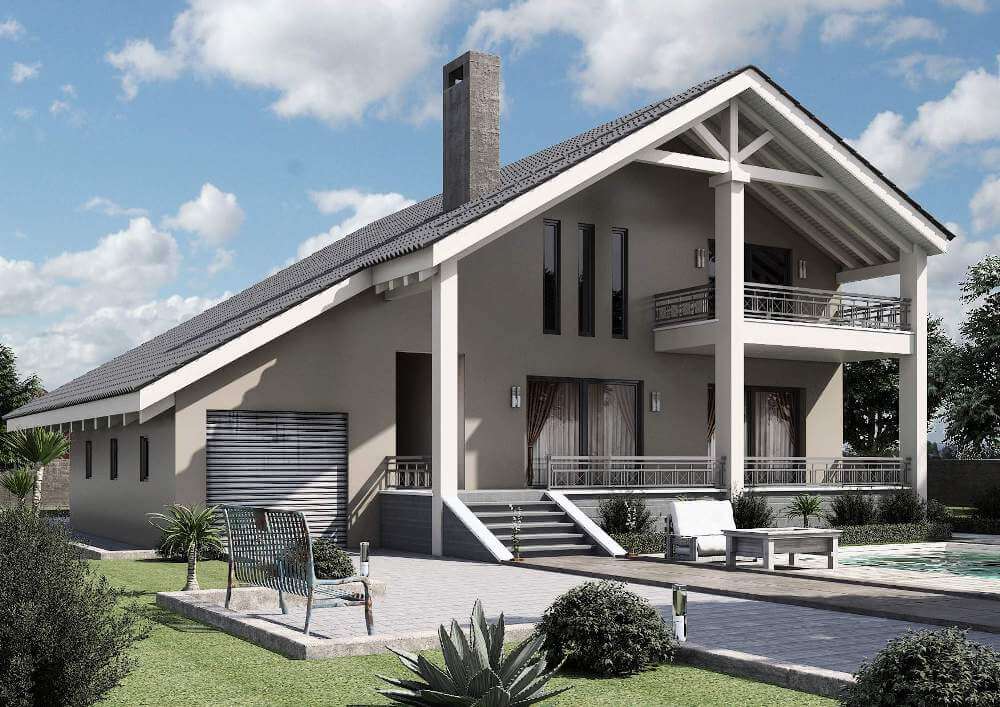
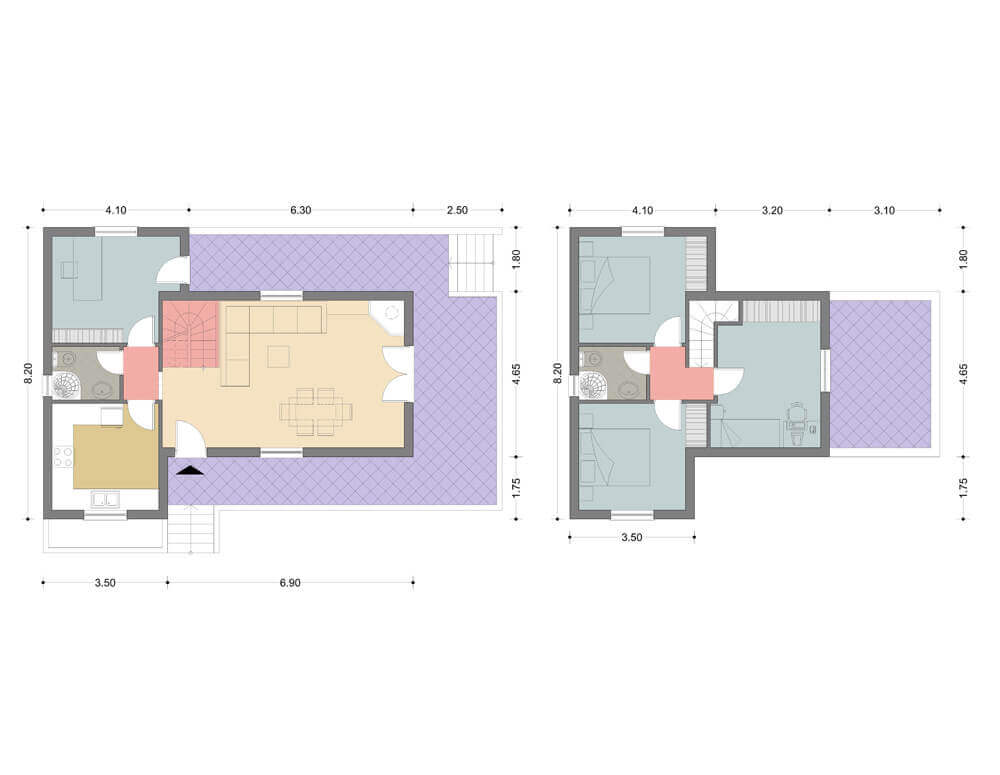
Our specialized design department, along with our fully trained teams, can bring any architectural vision you desire to life..
Initially, the plot details (topographic plan) must be submitted to the department of architects and civil engineers.
Then you have the following options:
• Submit your own architectural design.
• Create a new architectural design from scratch in collaboration with our company’s architect and supervising civil engineer.
• Choose a ready-made architectural design from our company’s available proposals
Our company specializes in constructing homes based on bioclimatic design.
Bioclimatic design focuses on adapting buildings to the natural environment and local climate, aiming to reduce energy consumption, achieve low energy requirements, ensure energy independence, and minimize both operational and maintenance costs—all while maintaining comfortable living conditions for occupants.
We design and implement each home to harmonize smoothly with its environment and the specific climate of the area.
Taking into account factors such as:
• Optimal views
• Wind directions
• Natural ventilation
• Sun exposure of the plot
• Local microclimate
• Vegetation on the plot
We ensure:
• Excellent building orientation
• Optimal study and placement of window frames
• Building areas equipped with shading systems
• Recommendations for landscaping the surrounding environment
• Guidance for planting vegetation
• Installation of bioclimatic technology according to the type, size of the home, and the plot’s location
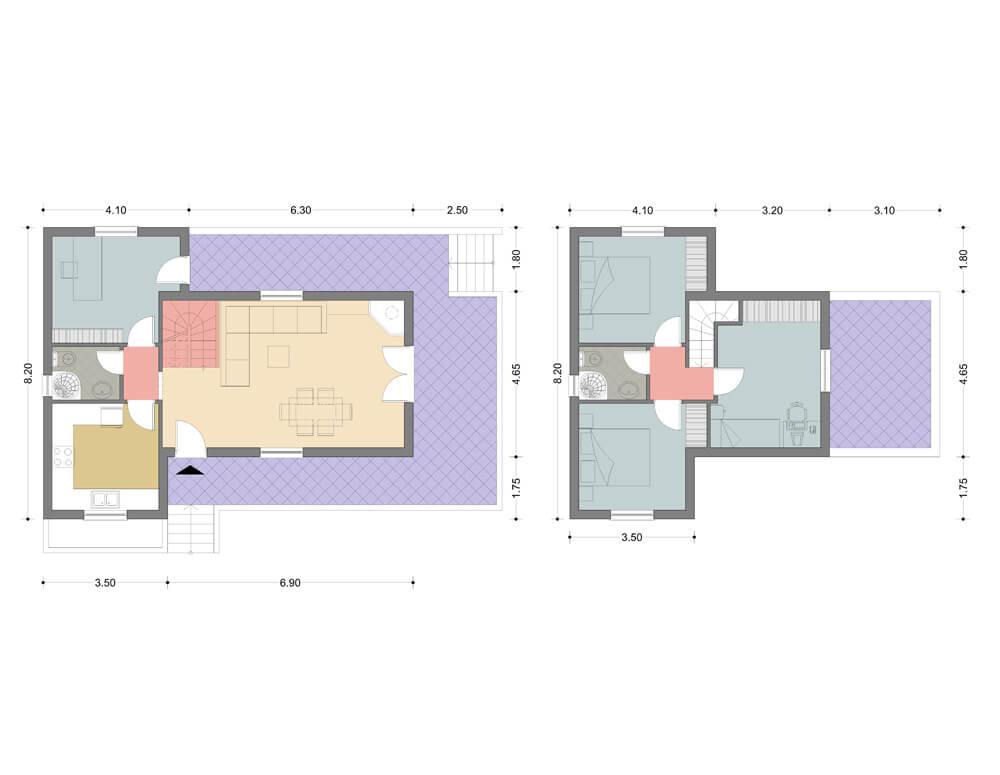
ISSUANCE OF A BUILDING PERMIT
The issuance of a building permit includes the following studies:
• Architectural Study
• Structural Study
• Water Supply – Sewerage Study (for buildings over 800 m³ or more than one floor)
• Thermal Insulation Study
• Fire Protection Study
• Flammable Gas Study
Documentation
In addition to the above studies, a series of documents must be submitted, the collection and submission of which is the responsibility of the engineer handling the building permit process.
Revision of Building Permit
The building permit must be revised after its validity expires or in the following cases:
• Change or resignation of the supervising engineer of the project
• Change of title or name under which the permit was issued
• Modification of the Architectural, Structural, or any other study
• Change of building use
• Increase of the building coefficient used at the time of permit issuance
• Increase in the building’s volume
• Cases Where Revision Is Not Required
Minor modifications to the architectural study and local changes to the building’s load-bearing structure (and other studies), at the discretion of the Head of Urban Planning.
• Changes in the dimensions of the building and plot, provided that the building coefficient and mandatory distances from plot boundaries are not violated. Deviations must not exceed:
α) 2% of the plot side lengths, with a maximum of 20 cm
β) 2% of the building dimensions, with a maximum of 10 cm
Issuance Procedure
1) Submission of documents and architectural study, and compliance check with general and special urban planning regulations and specifications.
2) Submission of structural study and other studies, verification according to specifications and regulations, as well as tax and fee checks and payments.
Cost
The total cost of the building permit includes:
• Fees for engineers for individual studies and supervision
• Taxes and contributions. Cost is determined on a case-by-case basis.
Validity Period
• The building permit is valid for four (4) years from the date of issuance.
• The demolition permit is valid for one (1) year.
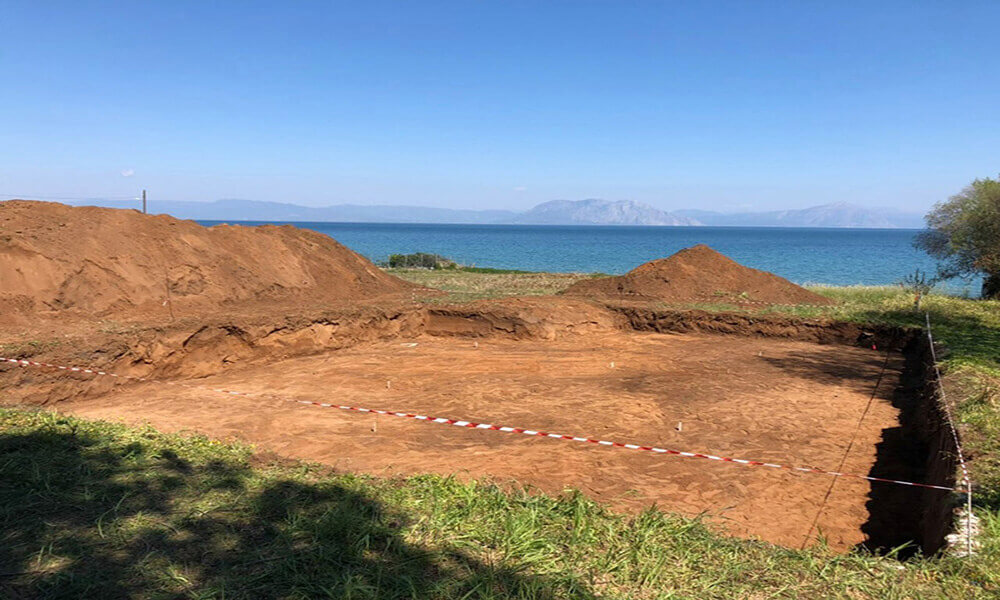
Excavation and Foundation Process
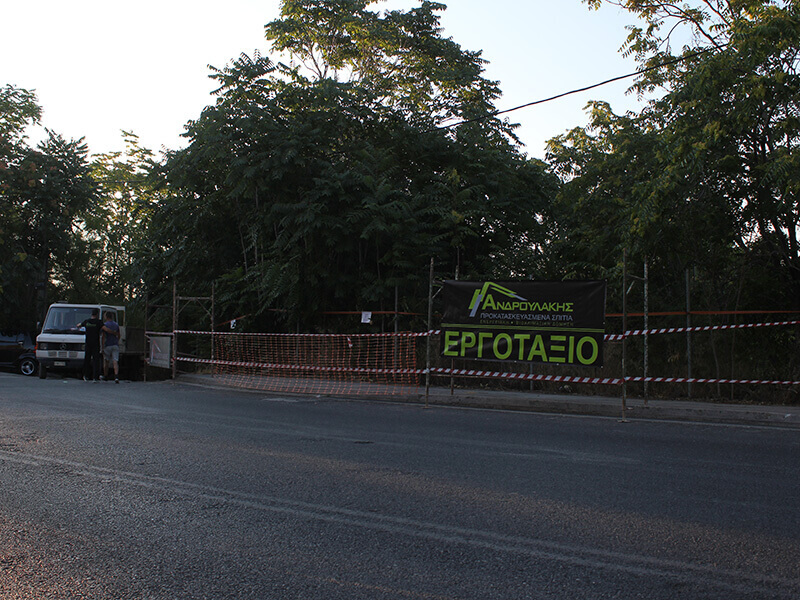
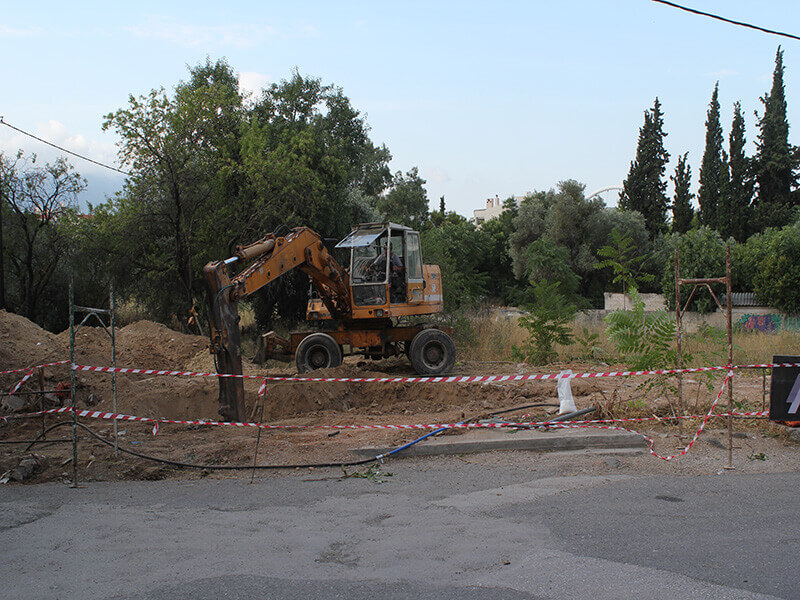
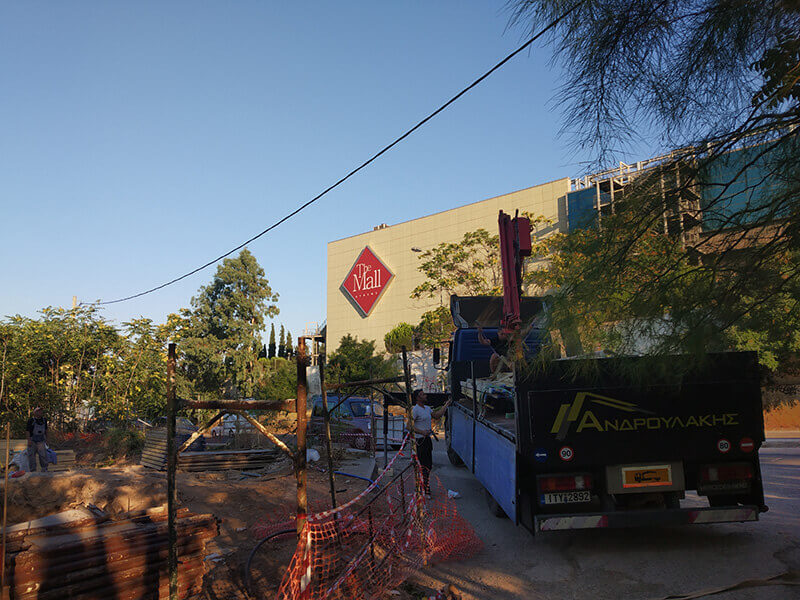
1) The crew, in coordination with the Surveying Engineer, marks the excavation boundaries according to the Excavation Plan.
2) If a previous structure exists, demolition and site clearance are carried out using proprietary earthmoving vehicles and tools.
3) The excavation limits are marked, and the building is positioned within the plot.
4) Foundation excavation begins according to the area and depth specified by the architectural study.
5) The foundation level is prepared, and the surrounding area is shaped. Soil quality prior to excavation cannot be accurately determined unless neighboring excavations have been conducted in the area.
6) Soil may be classified as:
• Clayey
• Semi-rocky
• Rocky
7) Soil quality and the scale of the construction project are the main factors affecting the cost of the foundation base.
Structural Project Foundation
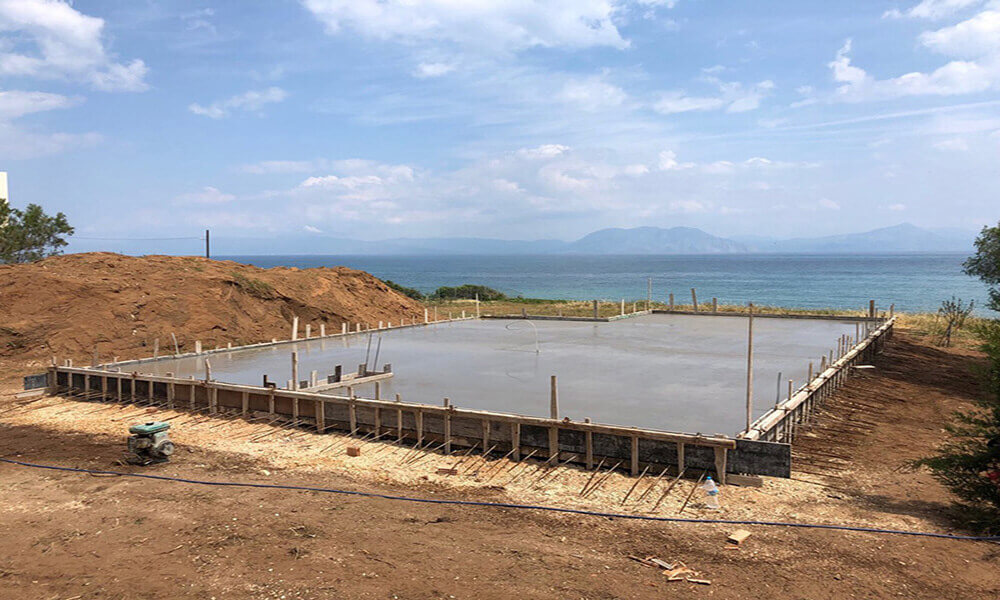
Depending on the structural study and project requirements, the foundation base is constructed either with a general concrete screed (raft) or with strip footings.
Upon agreement and according to project needs, additional construction measures may be implemented, such as:
• Simple foundation base construction
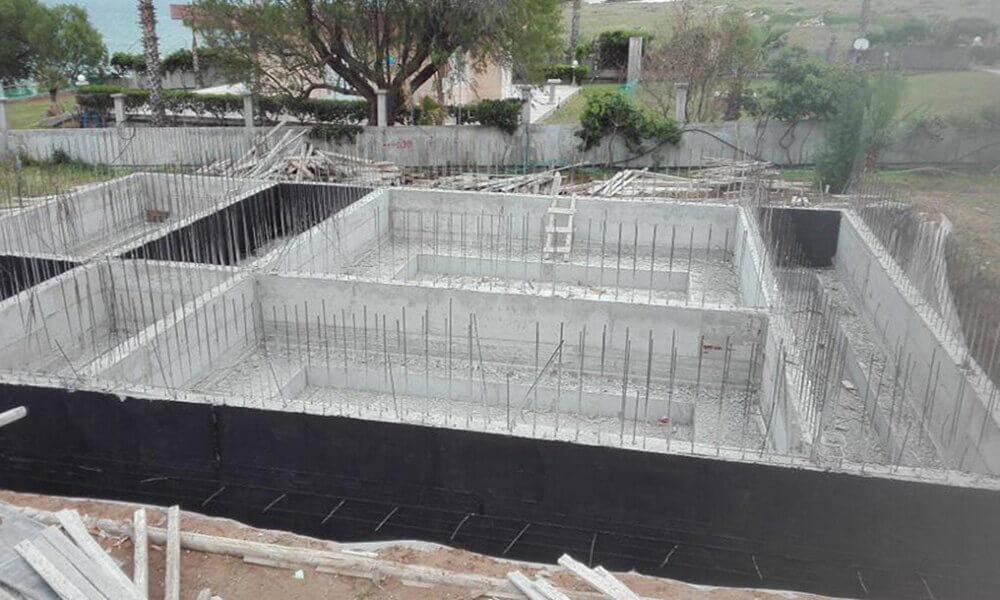
• Basement construction
• Pilotis construction
Foundation Stages
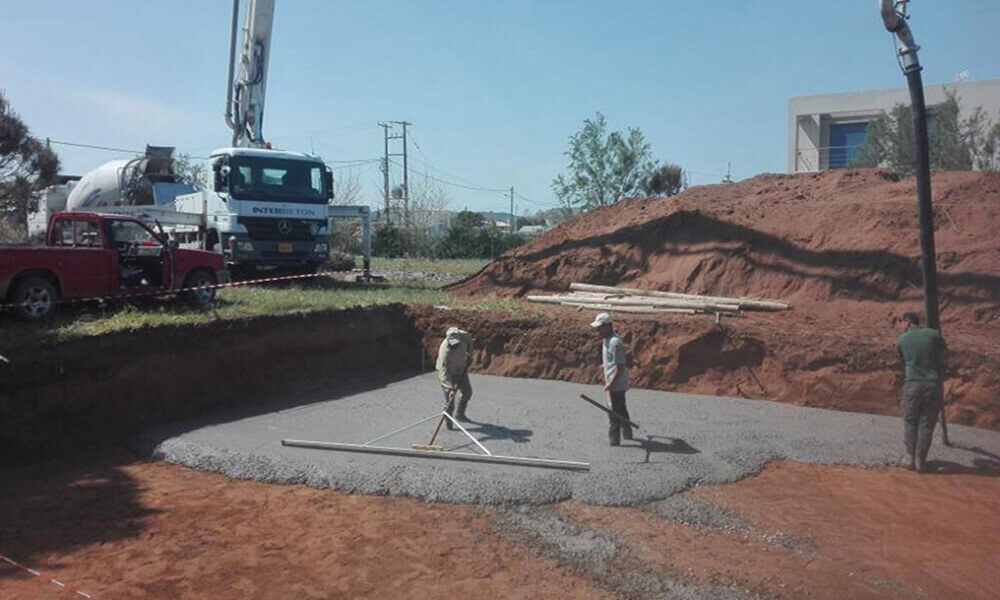
1. Lean Concrete Layer
Before foundation works and element layout, a layer of unreinforced concrete (C16/20) with a thickness of 10 cm is placed across the entire foundation surface. This process protects the foundation concrete and reinforcement from soil corrosive action and ensures complete flatness.
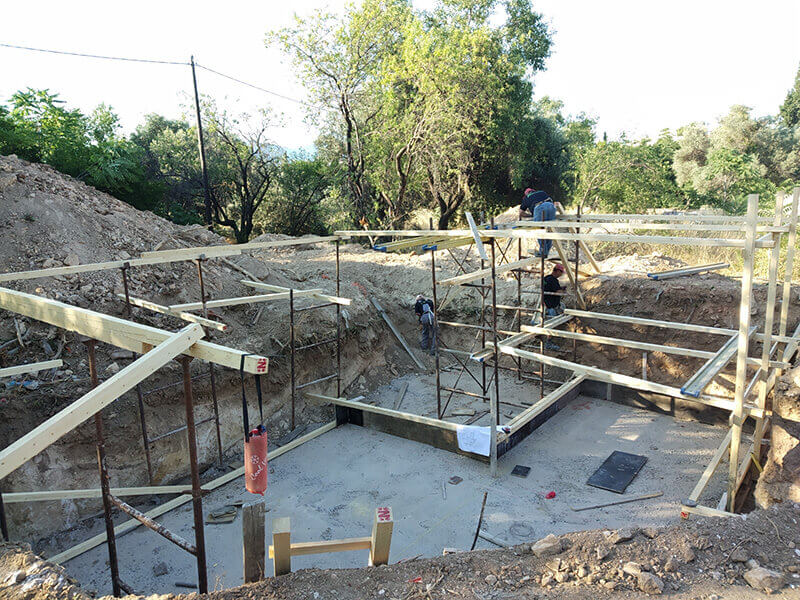
2. Foundation Element Layout
Foundation elements are marked according to the structural study drawings.
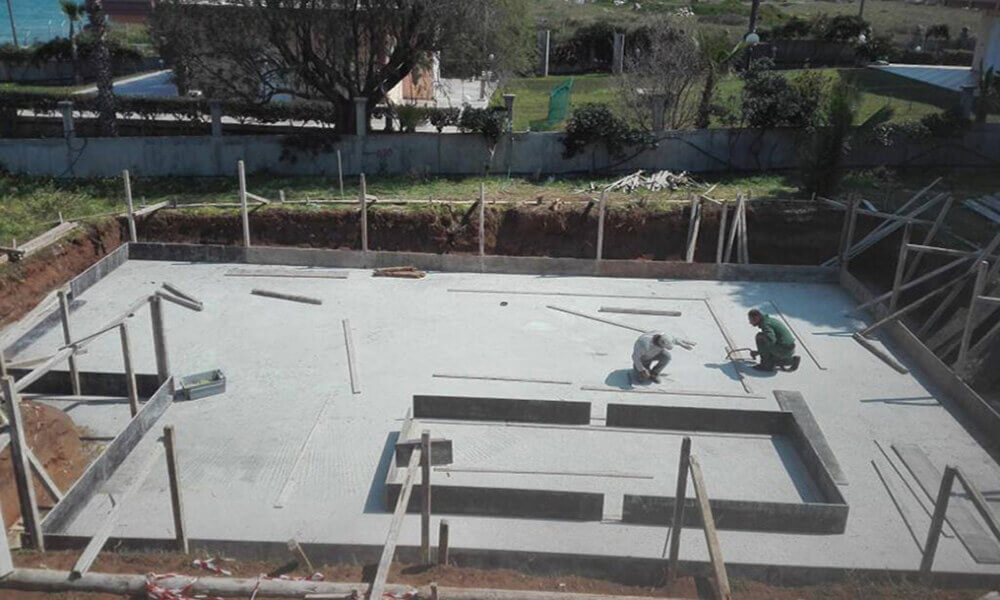
3. Foundation Base Construction
The foundation base is built either as a general concrete screed (raft) or using strip footings, depending on the structural study.
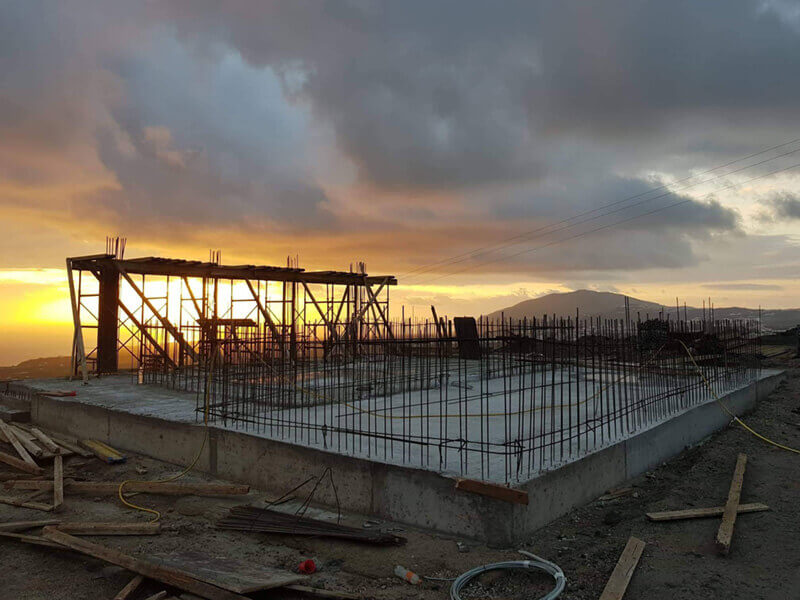
4. Reinforcement Placement
Once the formwork of the foundation elements is completed, reinforcement is placed according to specifications.
5. Foundation Grounding
Applied in accordance with the study requirements to protect the structure from electrostatic and electromagnetic loads.
6. Concrete Pouring of Foundation and Formwork Filling (for basement)
Fresh concrete is poured and fully compacted within the formwork. No concreting is performed under extreme temperatures (frost or heatwave), as required concrete strength may be compromised. Depending on prevailing temperature conditions, admixtures (accelerators or retarders) are added to the fresh concrete to achieve the specified strength.
Foundation Concreting
Fresh concrete is placed and fully compacted within the formwork, in accordance with the specified technical standards. In cases of extreme temperatures, either very high or very low (frost or heatwave), concreting works are not carried out, as the required strength of the concrete may be affected by the prevailing weather conditions.
For this reason, and depending on the ambient temperature, appropriate admixtures are added to the fresh concrete (setting accelerators or retarders), with the aim of ensuring the specified strength and quality of the concrete.
Reinforcement Starter Bars (ICF)
The necessary reinforcement starter bars for the columns are left on the foundation base. Subsequently, the reinforcement of the Smart Form wall concrete is tied to these starter bars.
Masonry Construction
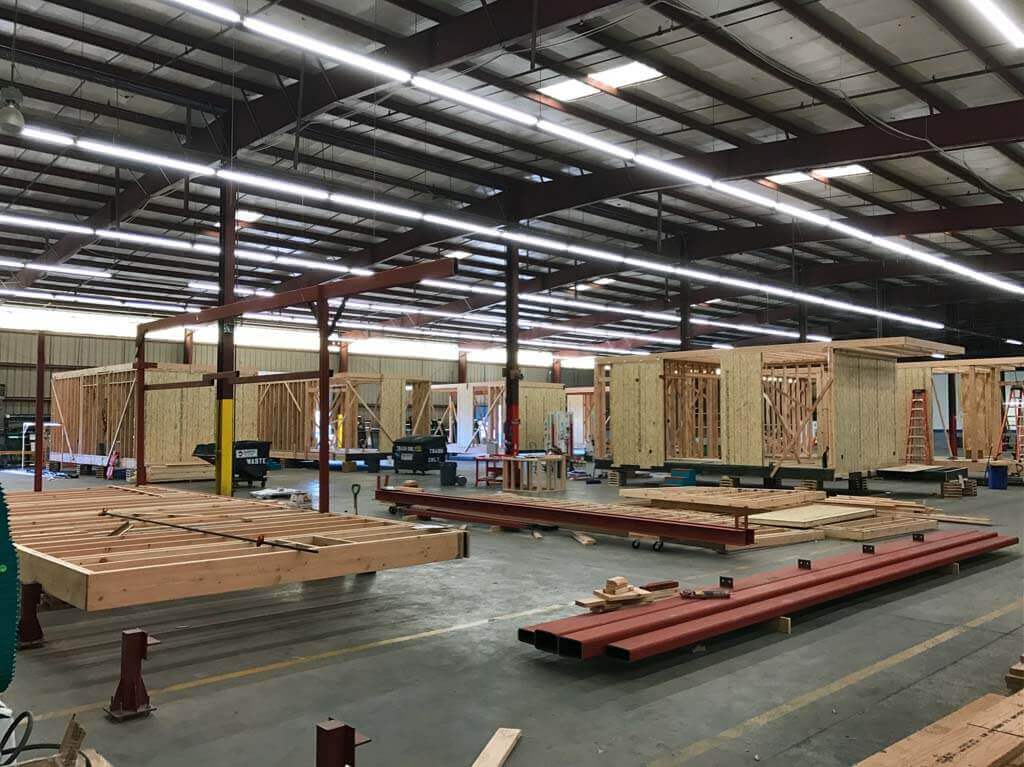
All our masonry units are fully manufactured at the factory’s vertical production facility.
Masonry Features:
Corner Connection
Corners are joined and secured with Torx screws from the German manufacturer WURTH.
Structural Verification
All units undergo rigorous structural testing before shipment.
Transportation to Site
Units are transported to the construction site using proprietary crane-equipped machinery.
On-Site Assembly
Masonry units are connected on-site in minimal time using specialized corner plates, screws, and other connecting elements on the foundation base.
See here detailed material certifications for construction.
See here detailed wall construction technologies.
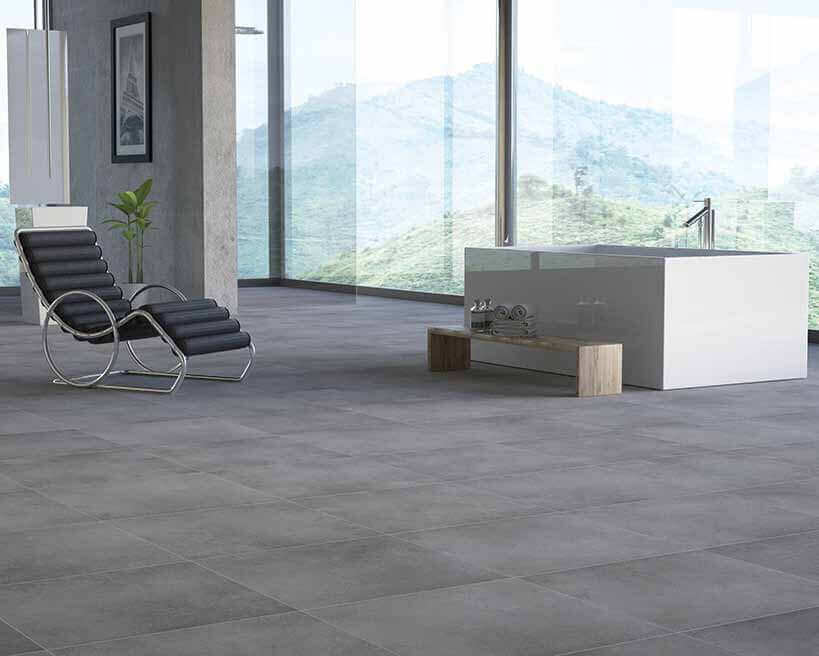
For the interior flooring of the residence, a cement screed is applied, with a thickness of up to 5cm. The same procedure is followed for the outdoor areas covered by sheltered terraces.
Subsequently, tiles are installed using acrylic adhesive, and the tiles are grouted with acrylic grout.
The selection of tiles is made from the company’s sample catalogs.
See here ideas for your house by Androulakis
Frames & Doors
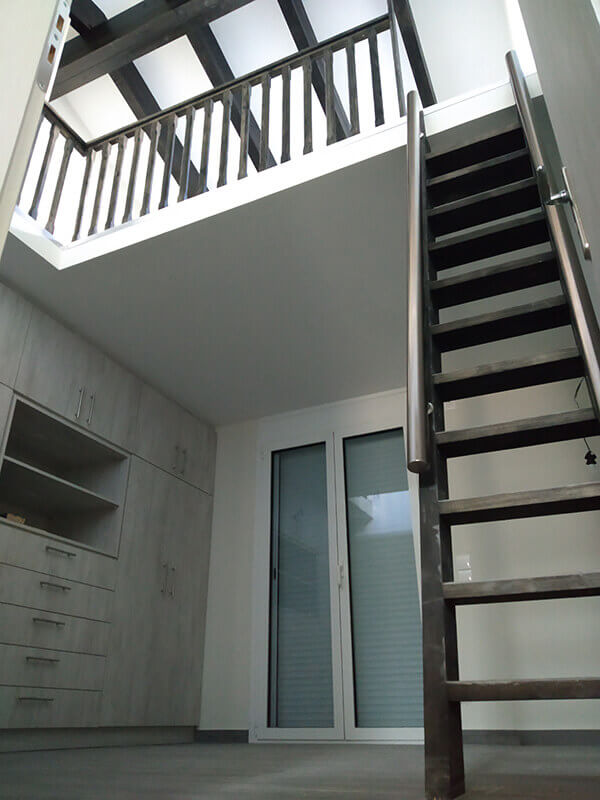
The external frames are white aluminum by EUROPA, with thermal break. These are opening-type frames, with the option to install shutters or heavy-duty roller shutters with strap, double glazing 5-5 mm, and insect screens.
The main external entrance door is armored. Alternatively, there is the option to install white PVC synthetic frames by the German company REHAU, with high thermal insulation performance, insect screens, and a choice of shutters or roller shutters with strap.
The internal frames are made of LAMINATE.
Colors are selected by the client from the company’s sample catalogue.
See here ideas for your home by ANDROULAKIS.
Bathroom Finishes & Sanitary Ware
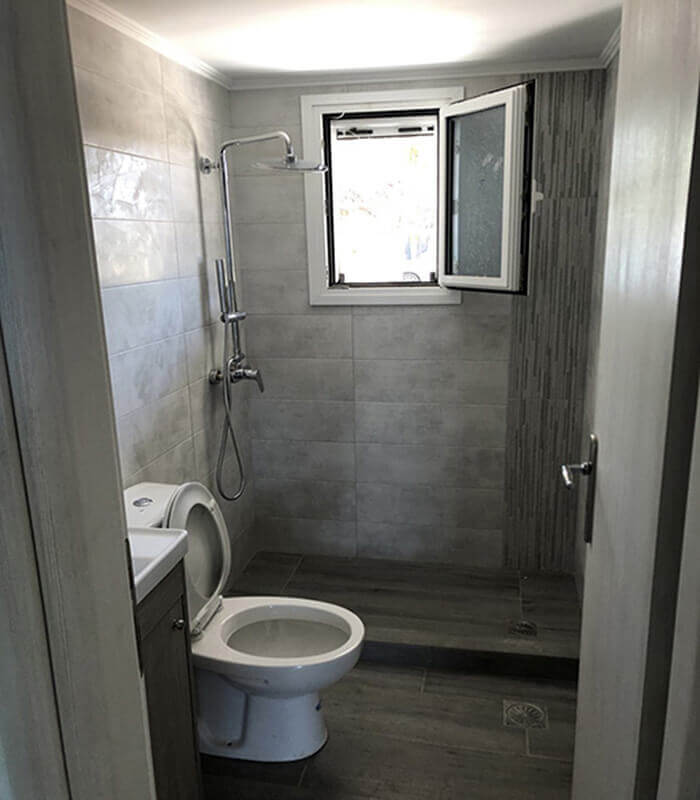
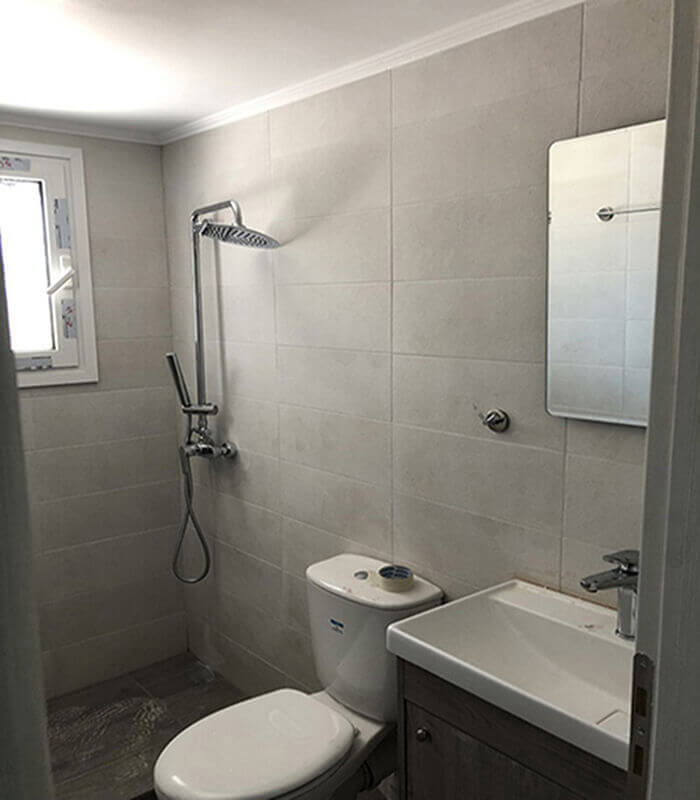
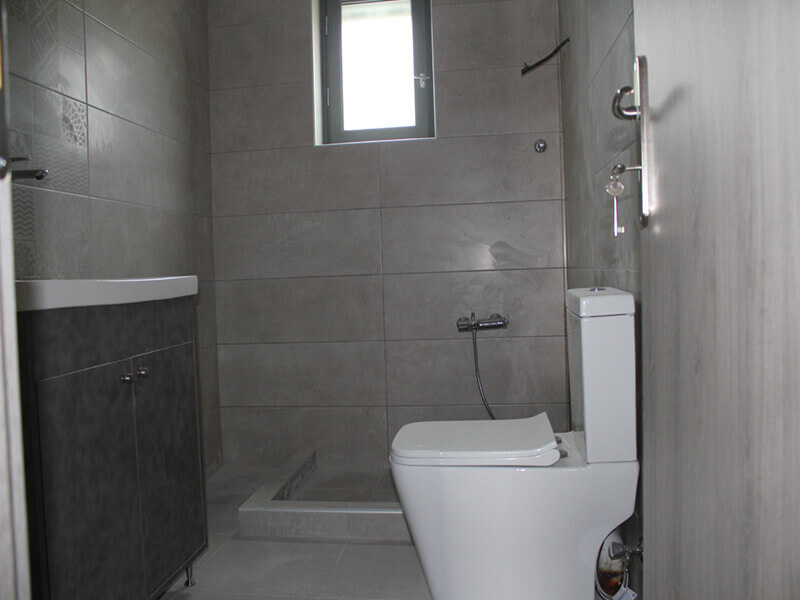
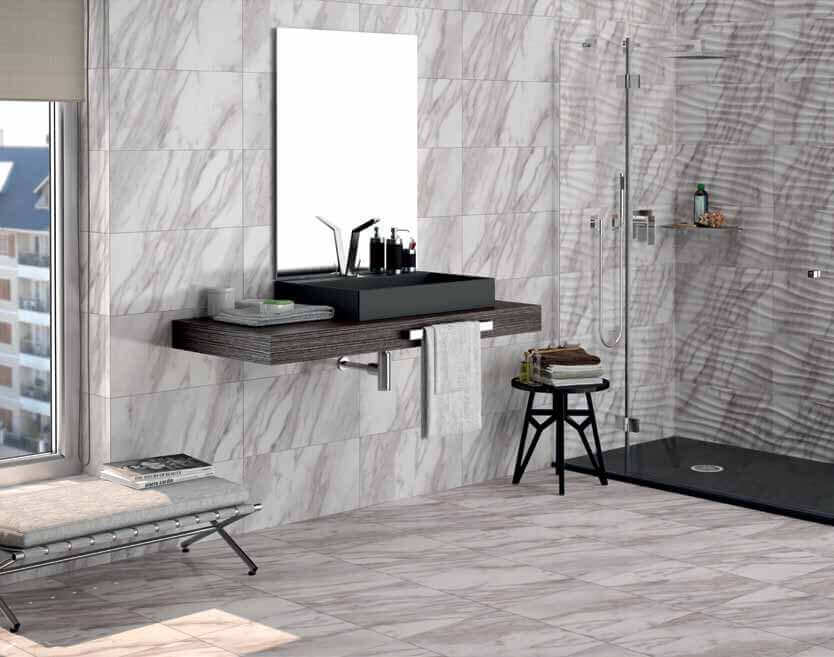
In the bathroom walls, green moisture-resistant fiberboard is installed and properly fixed to the load-bearing structure. This is followed by the application of a waterproof insulating material and, subsequently, ceramic tiles selected by the client from the company’s sample catalogue, installed using acrylic tile adhesive.
Sanitary ware:
• Bathtub or built-in shower
• Bathroom cabinet or washbasin with pedestal
• Toilet with cistern and seat
• Mixer taps
Δείτε εδω ιδέες για το σπίτι σας από την Ανδρουλάκης